Hiển thị các bài đăng có nhãn animal. Hiển thị tất cả bài đăng

Thứ Tư, 31 tháng 8, 2016

How do giraffes protect themselves from prey?

 
I have a keen interested on and just want to share this amazing information about how do giraffes protect themselves from prey? Check for information about giraffes and baby giraffe

Kết quả hình ảnh cho How Does a Giraffe Protect Its Babies?

Giraffes have several ways of protecting themselves, including moving in large groups that make it hard to pick out just one giraffe from the rest of the group. They also defend themselves by their fierce karate-style kicks. The giraffe's gait, or way of moving, which is called pacing, is also protective and allows them to escape from predators by both moving their back and front legs moving forward together at one time

Kết quả hình ảnh cho How Does a Giraffe Protect Its Babies?

Giraffes are also very fast, reaching top speeds of 35 miles per hour for short distances. This allows them to flee from predators when the need arises.

Kết quả hình ảnh cho How Does a Giraffe Protect Its Babies?

Giraffes do not prey on other animals as they are vegetarians who eat only plants. Their favorite food is the leaves of the acacia tree.

Learn more: tiger facts                     

Chủ Nhật, 28 tháng 8, 2016

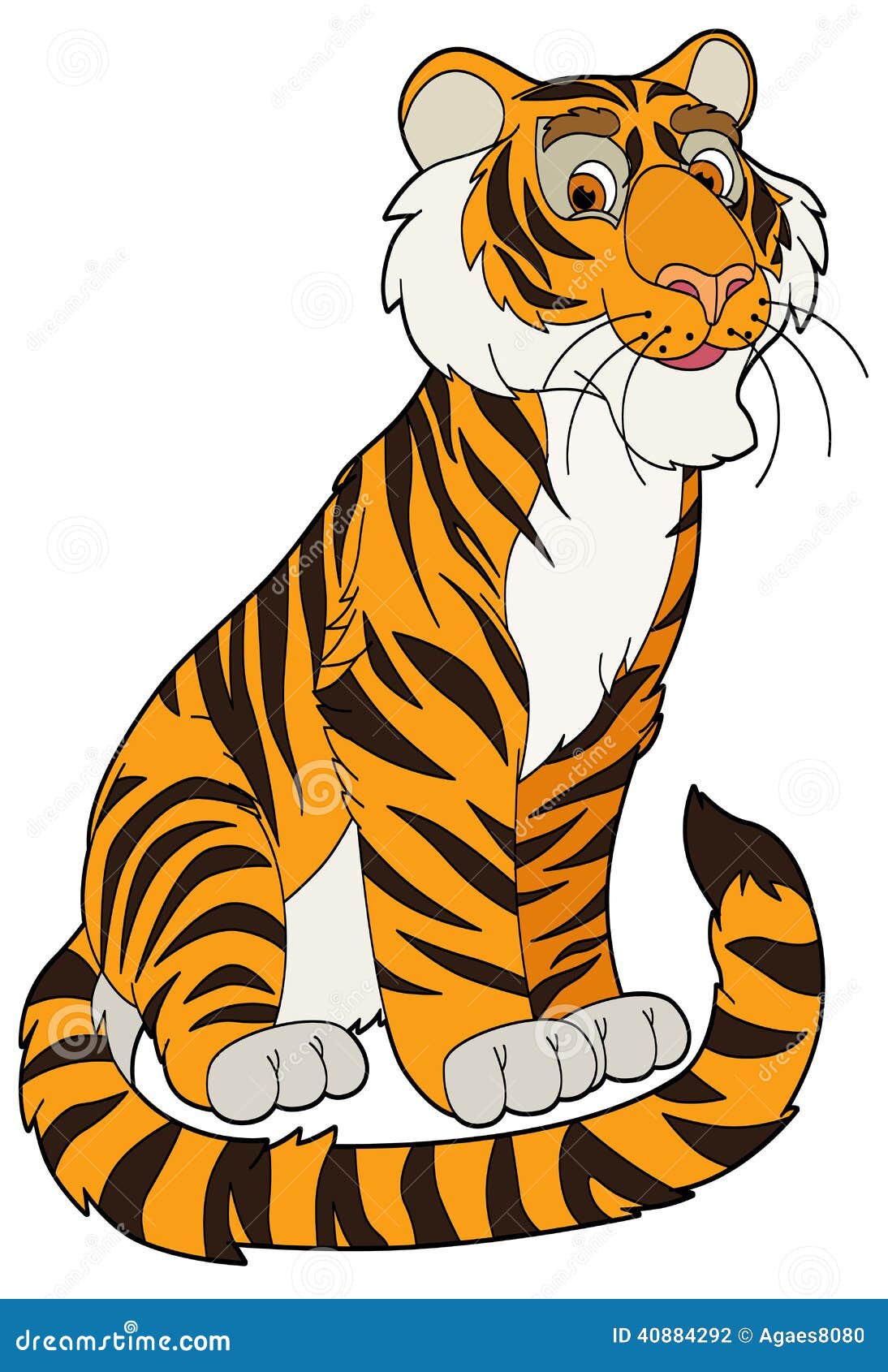
Bengal tigers facts and images

 
What do you think after have a look at Bengal tigers facts and images below? Frankly speaking, I want to protect them:

Peaches is a bengal tiger (panthera tigris) born in August of 1989. Here she is shown with a litter of 3 cubs. Tigers are solitary animals in the wild, coming together only when the female is ready to breed or when she is raising her young. The average litter size is three to four cubs although five to six are not uncommon! Gestation is about 106 days. The female will care for her cubs alone with no help from the father. The young will stay with their mother for 2-2 1/2 years, learning to hunt & survive on their own. The tiger's natural habitat ranges from the jungles of Indonesia & Thailand to India & Siberia. The Siberian tiger is the largest of the big cats. Some adult males can weigh 1000 pounds although 800 pounds is more common. At Oakhill Center we currently care for 3 tigers. Hobbs, which is one of the youngsters in the above photo (now all grown up), Charlie & Sierra.


All tigers have distinctly different coat patterns. Field biologists studying these animals in the wild can distinguish each animal by its strips! Many believe that the white tiger is a different species. This is not the case. The white tiger is merely a color phase of the bengal tiger. All white tigers in the United States originated from a single white tiger imported by the National Zoo many years ago. For this reason, many white tigers are inbred & have the potential of many health problems.


Thứ Tư, 24 tháng 8, 2016

Background information about tigers

 
Would you like to see some animal facts in your freetime? So what about tigers for kidsI believe that these following facts will be interested to you:

Kết quả hình ảnh cho tiger for kids
  • Tigers do not actually live in Africa, they live in Asia. Tigers are an endangered species because their habitat is disappearing.
  • The closest relative to the tiger is a lion.
  • Tigers can live to 20 years of age in zoos but only 15 years in the wild. Most wild tigers do not live that long. Only half of all cubs survive to independence from their mother at about two years of age. Only 40 percent of these survivors live to establish a territory and begin to produce young.
  • Tigers are great swimmers. The roar of a tiger can be heard over a mile away.
  • Tigers are the largest naturally occurring species of cat. Siberian tigers are the largest of the nine species. Tigers can weigh up to 800 pounds and measure 11 feet from head to tail.
  • Most tigers have more than 100 stripes. Their stripes are much like a fingerprint, because no two tigers are exactly alike. Their coat is also perfect for camouflage.
  • One averaged sized tiger can eat up to 60 pounds of meat at a single time. It is the largest land-living mammal whose diet consists mainly of meat… tigers require large areas with forest cover, water, and prey such as deer and swine. The tiger hunts alone, primarily between dusk and dawn, traveling six to 20 miles in a night in search of prey.
  • A tiger’s canine teeth can grow up to three inches long and are easily capable of crunching through the spine of any creature on Earth.
  • hen cover the animal with leaves and dirt to hide it. When they are hungry again they will go back to finish eating.
  • Unlike other cats tiger like the water. They like to live by water. Tigers can swim up to 4 miles.
  • Like our fingerprints no two tigers have the same stripe pattern.
  • Not only are tigers fur stripped but their skin is stripped too!
  • A tiger retracts their claws when walking. They do not leave claw prints in their footprints.
  • Tigers like to be alone except during mating.
  • Mother tigers give birth after approximately 100 days.
  • A mother can give birth to 1-6 tiger cubs. Usually they have 2-3.
  • A cub lives with their mother for 2 years.
  • Cubs learn to hunt from their mother and can catch prey at about 1 year old.
  • White tigers are very rare. White tigers are born with a gene that causes them to be white. Only 1 out of 10,000 tigers are born white tigers.
  • A group of tigers is called an Ambush or Streak.
  • Tigers can live up to 26 years in captivity and 10-15 years in the wild.
  • There are more tigers living in captivity than their are in the wild.
  • The only predator to a tiger is a human.
Also see elephant facts

Chủ Nhật, 21 tháng 8, 2016

Collection of Dragon facts

 
Even if you’re a zoology expert, this animal facts list might just surprise you. These are some fun facts you have never known before about Dragons:

  1. The Komodo dragon is a type of monitor lizard, which is aggressive and deadly. They can be 10 feet long and use toxic bacteria in their mouths to wound their prey.
  2. Dragons have never had a particular personality. This is unlike the unicorn, which is always known to be a majestic, peaceful creature. The dragon is sometimes regal and protective. Other times it’s deadly and destructive.
  3. In most cultures, the dragon is always rare. There are never very many of them.
  4. In medieval times, dragons were considered very real, but demonic. Religions had widely different views of dragons: some loved them and some feared them.
  5. When giant bones were occasionally uncovered around the world (dinosaurs, as we know them now), people assumed they were dragons.
  6. Some dragons have wings, others don’t. Some dragons with wings can fly, others can’t. Some dragons without wings can fly. How odd!
  7. Most dragons are described as having scaly skin, talons, and slanted eyes, and long snouts.
  8. They can possess many different types of magical powers or none at all.
  9. Some dragons are small, house-pet sized creatures. Others are miles long!
  10. Some dragons live in deep places under the oceans, others hide in deep caves, and some others perch on high mountaintops. In most cases, dragons live where ancient people couldn’t reach.
  11. Depending on the culture, dragons can posses many different kinds of powers.
  12. Dragons are very popular in China. The phoenix is a dragon that has five claws and was a symbol for the emperors in China.
  13. The Latin word draco, as in the constellation Draco, comes directly from Greek drakones. The Dragon is sometimes known by the Nordic word, ormr (Old English wyrm means serpent — draca means dragon).
You might be like to see some amazing facts

Thứ Năm, 18 tháng 8, 2016

Do penguins make nests?

 
Penguin factsFacts that you didn't know about penguin nesting


Penguins live in the southern oceans and breed on ice floes or rocky shores. They do not make nests but lay their eggs on the ground. However, the parent birds still protect both eggs and young chicks from the freezing air and keep them warm. The egg rests on the penguin's foot and is kept snug in a special brood pouch. Inside the brood pouch, a bald area of skin supplies heat from the penguin's body to the egg or the chick.
Also see elephant facts

Studies have shown that individuals of most penguin species return each year to the same rookeries. In addition, most penguins return to the same nesting site within the rookery. Studies have indicated that fidelity to the previous year's nest site was 99% for male Adélie penguins, 94% for chinstraps, and 63% for gentoos.


Rockhoppers appear to have an amazingly precise breeding timetable, with males returning to the spot of their former nest virtually on the same day each year, regardless if weather or environmental factors have changed from the previous breeding season.
Males arrive first to the rookeries to establish and defend their nesting sites. In a study on Adélie and chinstrap penguins, females arrived one day and five days after the males, respectively.


When it is time to breed, mature birds return to the rookery where they hatched. This results in large numbers of penguins at a single rookery rather than penguins colonizing new areas. Some penguin rookeries number millions of birds.
Various penguin species may share a particular rookery site. It is not uncommon to find gentoos nesting near Adélie and chinstrap penguins for example, but nesting areas within the rookery are kept segregated by each species.
Read more animal fun facts